
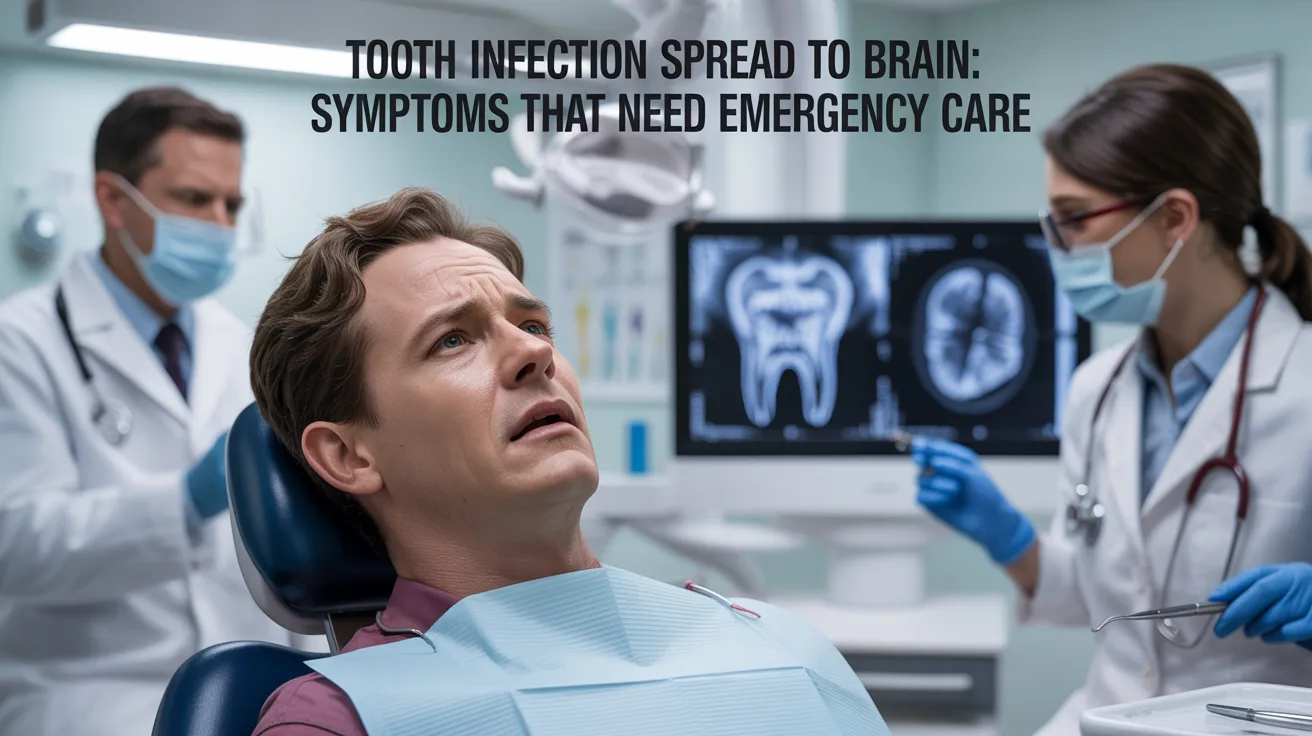
Could there be a brain risk because of a dental problem? A tooth infection spread to the brain is so serious that most people will not even think of it, but it is possible. Although serious cases of dental infection are rare, they may extend to the brain and be fatal. It is all about identifying the warning signs early enough.
This guide will cover how an infection in the tooth can be transmitted, the symptoms to be observed, as well as emergency care that is necessary without delay.
Can a Tooth Infection Really Spread to the Brain?
Dental infection begins in or around a tooth. The bacteria can spread with the help of soft tissues, facial spaces, and even the bloodstream when they increase in numbers and move past the roots of teeth. The brain is a vulnerable organ since it does not have much space to swell, and thus, the infected content can generate pressure and be destroyed easily.
Popular myths and medical truths
One of the myths is that dental infections remain local. Most individuals believe that when the pain is relieved, it is an indication that the infection is cured, but pain reduction may occur even when the bacteria are still spreading. Pain relievers found over the counter do not treat infection; they just cover the symptoms.
Why is this condition uncommon but very dangerous?
Teeth-related brain infections are rare, but when it happens it has a high likelihood of causing irreparable brain damage, coma, or death. This is the reason why it is important to be diagnosed at an early stage.
Now we will take a glance at the way in which bacteria spread in the brain through the mouth.
How Bacteria Travel From Teeth to Brain
The infections of the upper teeth are closer to the sinuses. Bacteria are capable of moving to the depths of the sinus cavities, deeper areas, and nearer to the brain structures. It is also possible to be infected via the jawbone or soft tissues on the face.
Can Infection Spread Through the Bloodstream?
Bacteria may get into the bloodstream and spread to the brain, creating an abscess. A brain abscess is a collection of pus within a tissue of the brain that requires emergency neurosurgical care in most cases.
Why are infections in the upper teeth more dangerous?
Sinus passages are directly exposed to the upper jaw, which leads to the skull.
Understanding spread explains why recognizing early symptoms is so important.
Early Symptoms of Tooth Infection Spreading Toward the Brain
Dental and facial warning signs
Systemic Symptoms of Spreading Infection
As soon as bacteria begin to spread outside of the tooth, additional symptoms can also appear, including fever that is not responsive to medication, chills, nausea, extremeexhaustion, or weakness.
Common Warning Signs of a Tooth Infection
Common tooth infection symptoms include:
- Persistent toothache or throbbing pain
- Swelling of the gums, jaw, or face
- Sensitivity to hot and cold foods
- Bad taste or foul-smelling drainage in the mouth
- Fever or chills
- Difficulty chewing or opening the mouth
If symptoms are accompanied by severe headache, facial swelling, confusion, or a high fever, seek immediate medical attention. These signs may indicate that the infection is spreading and requires urgent treatment.
Why such symptoms must not be ignored?
Such red flags may arise within a short period, especially when severe nerve pain is ignored in favor of supposed methods to eliminate tooth nerve pain immediately. Without treatment, there may only be a short window before serious complications develop.
Who Has Higher Risk of Brain Infection?
Patients with diabetes, low immune response, or chronic sinus disease are at risk of having their infections spread further without effective immune control.
Dental and lifestyle risk factors
The risk is also increased by untreated abscesses, delayed dental treatment, and smoking. Healthy people can also get infected in a short period in case of a specific strain.
Why are even healthy individuals not fully protected?
Aggressive bacteria may silently develop and soon turn acute. Emergency treatment is needed in case a brain infection occurs.
Treatment When Tooth Infection Spreads to the Brain
Emergency Hospital Treatment
IV antibiotics are administered right away, sometimes for several weeks. The patients can be put under intensive care to monitor them in case they have any neurological symptoms.
Surgery for Brain Abscess or Deep Infection
In case of a brain abscess, the abscess may need to be drained by performing surgery to remove infected material and reduce intracranial pressure. Additional sinus or facial space surgeries may be utilized in order to clear up infection pathways.
Dental treatment to remove the infection source
To avoid infection relapse, the infected tooth has to be treated with extraction, surgical drainage, or root canal therapy, with root canal treatment pricing reviewed before care.
The best approach is to stop the infection before it reaches this stage with routine exams that catch risks before a tooth infection spreads to the brain.
How EMD Helps Prevent Tooth Infections From Becoming Life-Threatening?
Early diagnosis procedures at Eastside Modern Dentistry
High-quality imaging and extensive assessment of the infection enable our dentists to detect deep or spreading infection before it develops complications.
Timely treatment to prevent infection
We believe in treating infections immediately, and coordinated referrals are made when medical escalation is necessary.
Preventive care philosophy
Early-stage management of infections, including routine care and laser periodontal therapy when appropriate, helps patients prevent harmful consequences and protect oral health in the future.
FAQs
Is it true that a tooth infection can be transmitted to the brain?
Yes, but it is not common, but it is medically recorded and may be life-threatening.
How fast can it reach the brain?
In the case of aggressive bacteria, it may occur within days.
What are the first brain-related symptoms?
Fever, bad headache, swelling of the face, neurological symptoms, or confusion.
Should I go to the ER or the dentist first?
In case of neurological symptoms, head to the ER. Otherwise, consult a dentist immediately.
Will antibiotics be sufficient?
Not always. The cause of infection has to be eliminated through proper mouth abscess treatment.
Can a Toothache Cause a Headache?
Yes, a toothache can cause a headache when pain or infection affects the nerves connected to the jaw and face. If the headache occurs with swelling, fever, or severe tooth pain, seek dental care promptly.
Key Takeaway
If you notice concerning tooth infection spreading to the brain, seek care immediately. Early dentistry care is able to eradicate the infection even before it becomes hazardous. Eastside Modern Dentistry will be prepared to treat and diagnose dental infections early enough to keep the patients safe and healthy.
Leave a Reply