
When you search for First Advantage Dental, you may be trying to find a dentist, check whether your insurance is accepted, or understand what you may have to pay. The name can also be confusing because it sounds like an insurance company. 1st Advantage Dental is a dental practice group, not a dental insurance carrier....
When you need dental care but do not have insurance, the cost can make even a routine visit feel stressful. You may see low prices advertised online, but how do you know whether you are getting good value or simply paying less upfront? Finding economical dental services isn't just about choosing the cheapest dentist. It...
A painful tooth is stressful enough. Without dental coverage, the cost can make it tempting to wait and hope the problem goes away. But delaying care is not always the best choice, especially when tooth decay or pain is getting worse. The good news is that you do not have to rely on one option....
If you need a dentist but do not have dental insurance, the hardest part may be knowing what you will actually pay. A low advertised price may cover only one service, while an exam, X-rays, cleaning, or treatment can change the final bill. This guide explains how dental costs work for self-pay patients, what can...
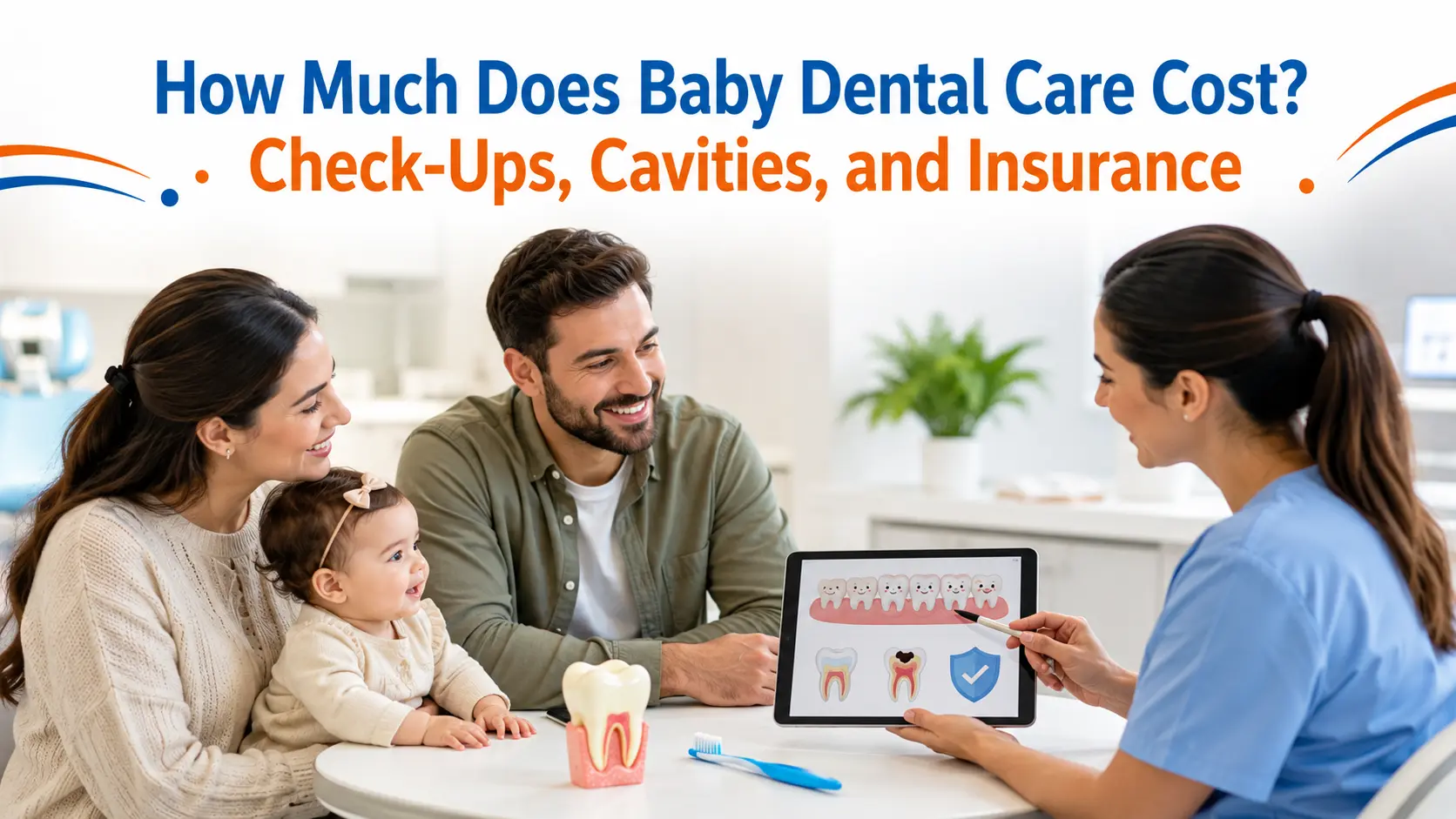
Taking your baby to the dentist for the first time can bring an unexpected question: how much will the visit actually cost? One office may quote only the exam, while another price may include cleaning, fluoride, or other services. Understanding the baby teeth check-up cost before booking makes it easier to plan and compare dental...
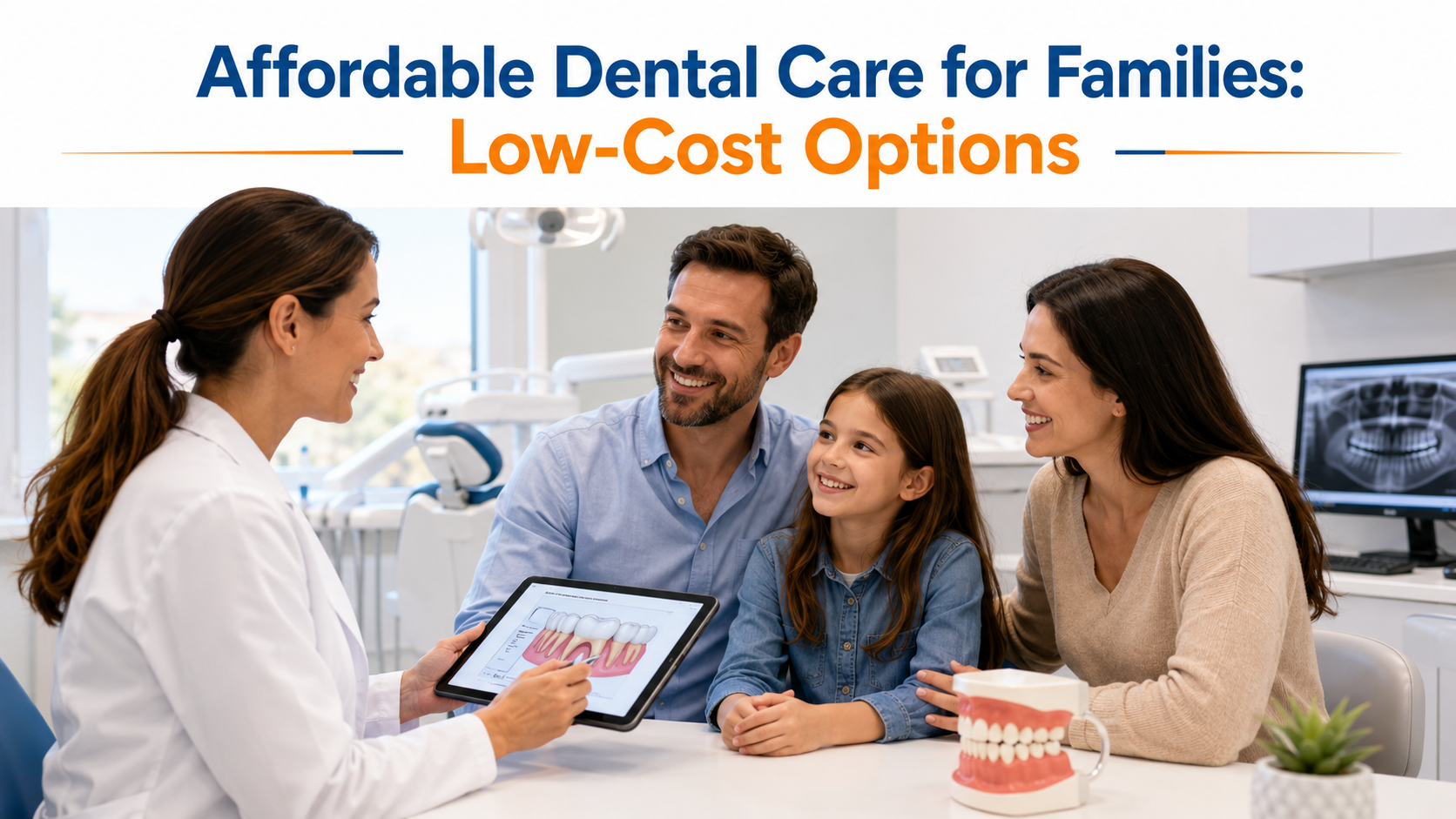
One dental bill can be hard to manage. When a parent needs a crown, a child needs a filling, and another family member is due for a cleaning, the total cost can quickly become stressful. Finding affordable dental care for families is not simply about choosing the lowest price. The right choice depends on who...
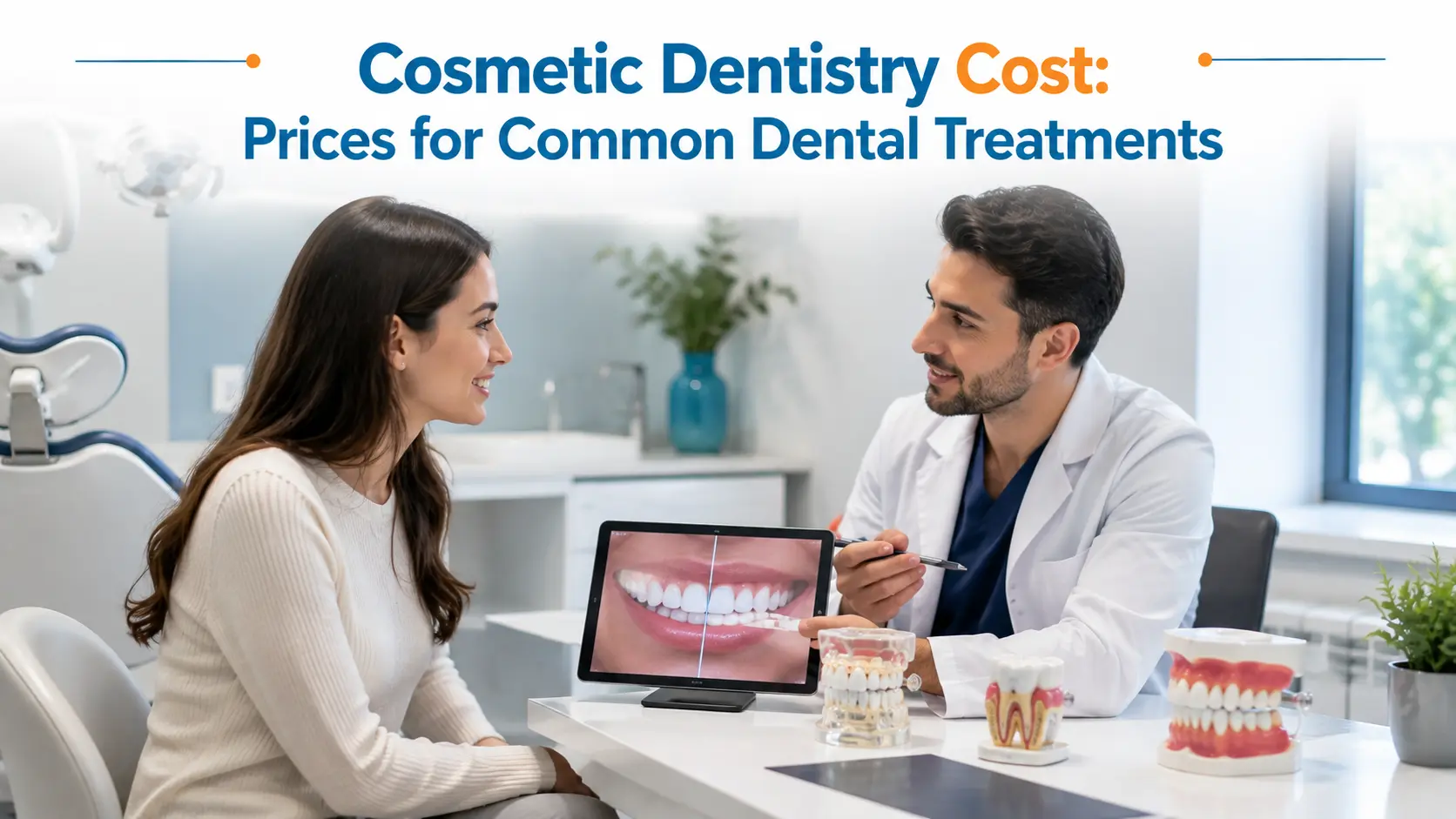
Improving your smile can be exciting, but the price can make the decision harder. You may wonder whether whitening is enough, whether bonding costs less than veneers, or how to pay if you cannot cover the full bill at once. Cosmetic dentistry costs can range from a few hundred dollars for simple treatments to several...
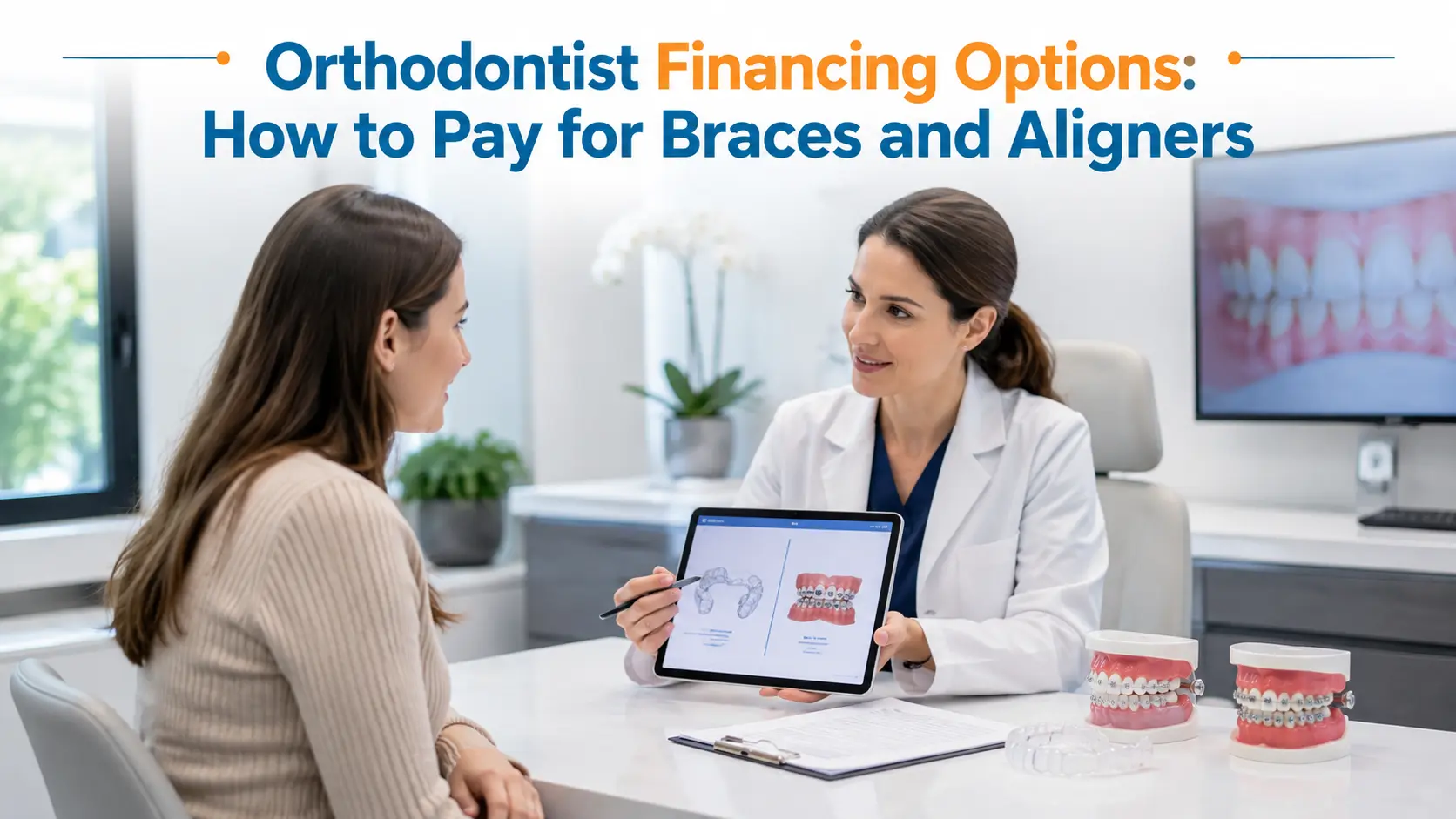
Paying several thousand dollars for braces or clear aligners all at once is not realistic for every household. Even patients with dental insurance may still have a large amount left to pay, especially when adult orthodontic benefits are limited. Several orthodontist financing options can make treatment easier to budget. Depending on the practice and your...
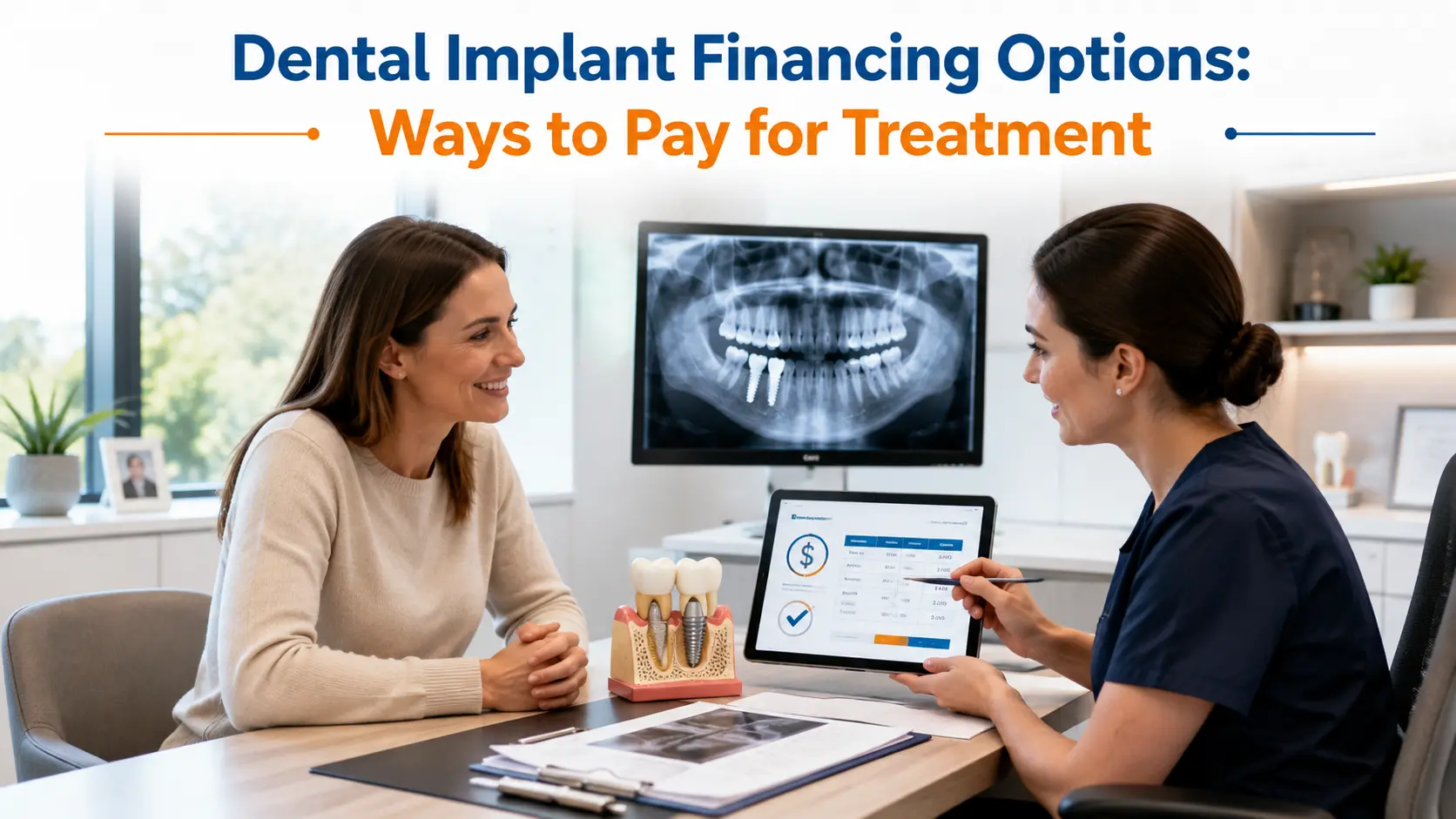
Dental implants can be an important investment in your oral health, but paying the full treatment cost at once may not fit your budget. This can be especially challenging if you have limited insurance coverage, little savings, or need treatment sooner rather than later. Several dental implant financing options can help make the cost easier...
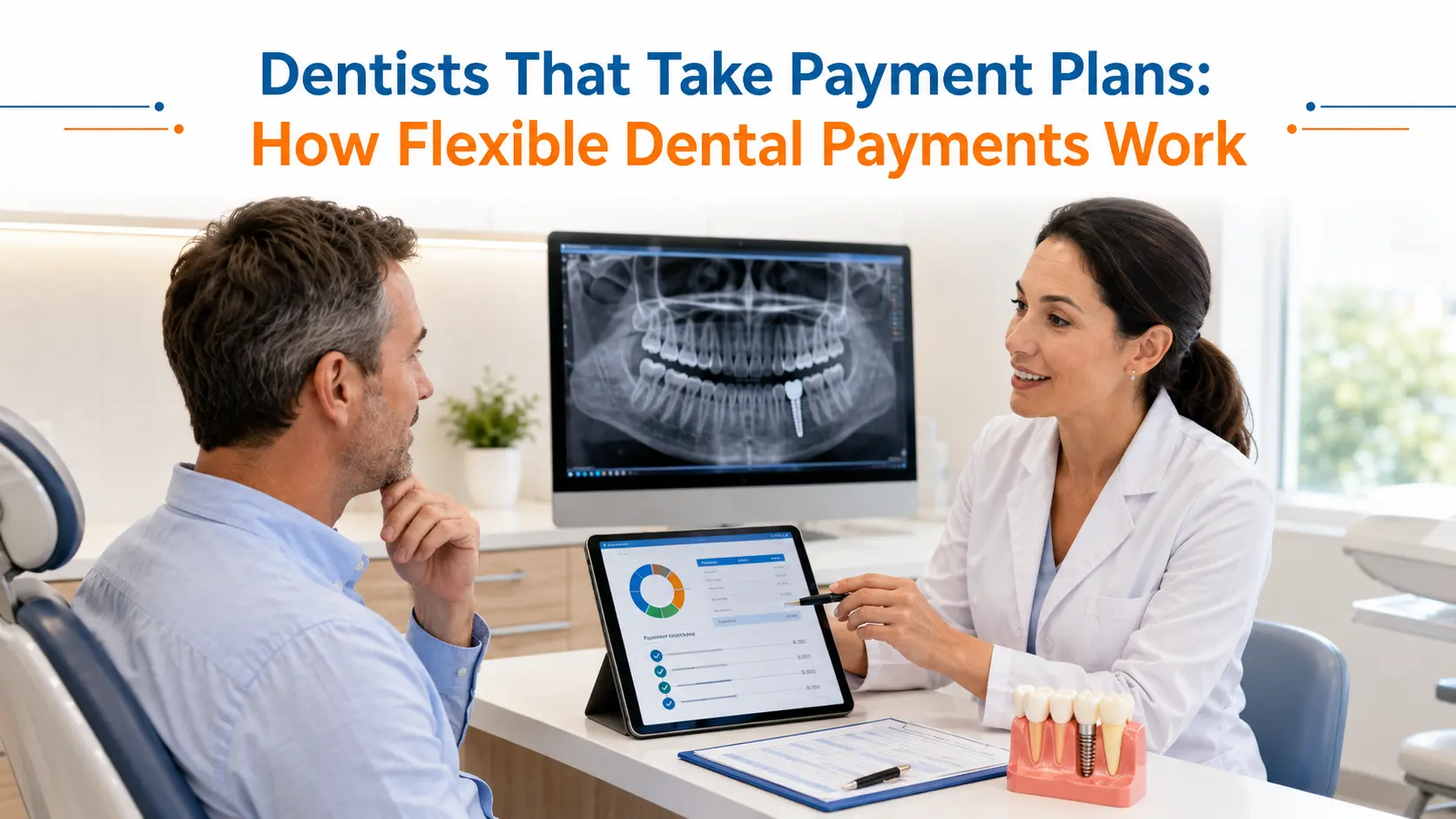
Dental treatment can be hard to plan when you need care but cannot pay the full bill at once. This is common for people without dental insurance, families with limited savings, or patients facing a larger procedure. If you are searching for dentists that take payment plans, it helps to understand what kind of plan...