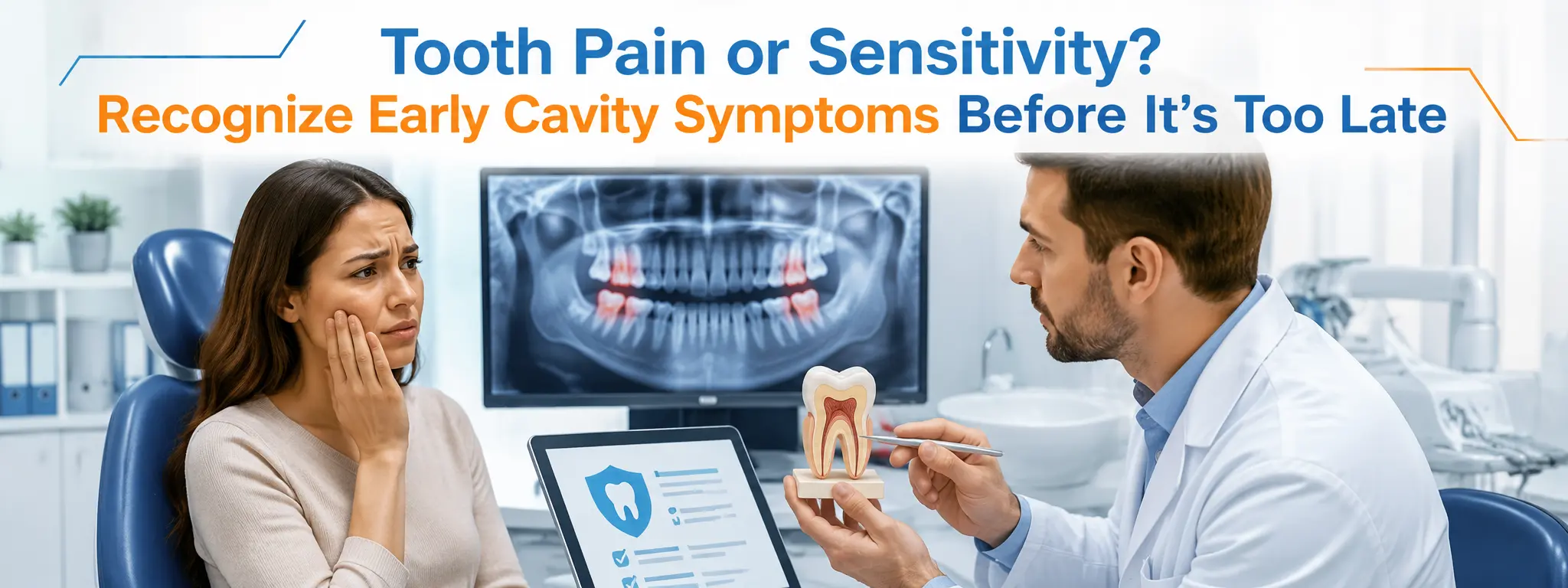
The sudden twinge when drinking something cold or a slight ache when eating sweets can be an annoyance. But sometimes these are the first indications of tooth decay. Most people think they only need to come in if they start having a lot of pain, but this is not necessarily true. Early diagnosis of cavity signs can prevent further treatment of the cavity.
The earlier a cavity is detected, the more manageable it will be to keep a tooth safe and healthy. The ability to recognize early signs or symptoms of cavities.
Understanding Early Cavity Symptoms
Awareness of early signs or symptoms of cavities. A cavity is a result of acids formed by bacteria in dental plaque that destroy the tooth. These acids over time erode the enamel and form small areas of decay. Many people don't notice the cavity until it's more developed and causes more pain, so an early cavity may not cause pain. Typical symptoms of warning include:
- Temperature sensitivity of food or beverage
- Distortion of taste for sweet things. Distortion of taste to sensitivity for sweet things.
- Mild pain when biting down
- A white, brown or dark stain on a tooth.
- Surface irregularities of the tooth, such as small pits or rough areas on the surface of the tooth.
Common Causes of Early Cavities
The majority of cavities form when the plaque on the teeth is allowed to stay for a long time. The bacteria in plaque break down sugars in food and turn them into acids that erode tooth enamel. Common causes include:
- Failure to brush and floss regularly.
- Eating and drinking a lot of sugary items
- Acidic beverages
- Too little saliva or saliva that is made too thick to swallow.
- Acid reflux
- Bruxism which causes the enamel to become weakened over time.
A lot of people who are asking "how to know if you have a cavity" will be surprised to know that many times lifestyle habits are a big part of cavity formation.
Who Is Most at Risk?
Everyone is at risk for cavities, but some groups may be at greater risk.
| Risk Factor | The probability of forming a cavity. |
| Poor oral hygiene | High |
| Frequent sugary snacks | High |
| Dry mouth | Moderate to High |
| Previous dental fillings | Moderate |
| Enamel erosion | High |
| Gum disease | Moderate |
Treatment Options and Prevention
This is a decision to consider for the treatment options and prevention of the disease. Cavities can be treated more easily and less costly when they are caught early. Treatment will depend on the amount of decay.
Professional Treatments for Cavities
Treatment by the professional for cavities is possible. Depending on the extent of the cavity, different treatments might be recommended. Common options include:
- Fillings for small to moderate cavities.
- Crowns for damaged teeth that need a lot of repair work done.
- Treatment of a tooth's inner pulp due to decay.
It is better to treat earlier to retain more of the natural tooth structure and to minimise the risk of future complications.
Home & Preventive Measures
Every day, you take a decision to prevent cavities. Supportive preventative measures:
- Using fluoride toothpaste to brush twice a day.
- Flossing every day
- Reducing sugar intake of snacks and drinks However, it is best to drink plenty of water.
- Making regular dental visits to the dentist.
These habits can also decrease the possibility of having an early cavity and contribute to better oral health in the long run.
Common Mistakes and Myths About Cavities
What you think you know about cavities is probably misinformation. There are various misconceptions to tooth decay that often cause people to put off treatment. A false belief is that if you're not in pain, there's no cavity. In fact, most cavities don't cause any pain during the initial stages. The other error is not taking the occasional tooth sensitivity seriously. Sensitivity, which does not automatically mean a cavity, can be one of the earliest signs of a cavity.
Some other typical misunderstandings are:
- There are no foods that can be eaten to cause cavities.
- Only brushing is sufficient to ward off decay.
- There are always visible holes in cavities at this time.
Expert Tips for Maintaining Healthy Teeth
Here are some tips from professionals on how to keep your teeth healthy. Brushing your teeth at least twice a day and flossing once is the best way to prevent cavities. To prevent damage to your teeth:
- Get regular check-ups at the dentist every 6 months
- Brush with fluoride toothpaste every day.
- Floss consistently
- Drink plenty of fluids all day long
- Reduce excessive snack foods high in sugar
- Be aware of early indicators of sensitivity
A dental check-up is the best way to catch many cavities before they can make you feel pain.
FAQ: Quick Answers on Cavities
How do I know if I have a cavity?
A list of frequently asked questions and their answers about cavities. What signs and symptoms should I look for to determine if I have a cavity? Tooth sensitivity, slight pain, change in colour or visual changes can be a sign of decay. The best way to determine if a dental cavity is present is to see a dentist.
Can early cavities be reversed?
Is it possible to reverse dental caries? If the cavity is in the outer enamel layer only, and is detected early, it can be treated with better oral hygiene and fluoride treatment before the cavity progresses to the need for a filling.
What foods worsen cavity symptoms?
Which foods can make cavities worse? Sweets, sticky candy, sugary drinks and acidic beverages can cause cavities and sensitivity.
How long can a cavity go untreated?
What will be the duration of an untreated cavity? Cavity may progress over time, eventually forming to the deeper parts of the tooth and thus necessitating more thorough treatment.
How We Can Help
At EMD, we specialize in personalized care, where we begin by addressing the issues of tooth sensitivity and cavity detection at an early stage, thus preventing the problem from growing. We employ thorough examinations and preventive measures to keep patients' teeth safe and healthy for years to come. If you are dealing with signs of a cavity, suspecting you have a cavity or looking for early cavity treatments, we can provide you with the answers. Make an appointment today and get the smile you deserve.