
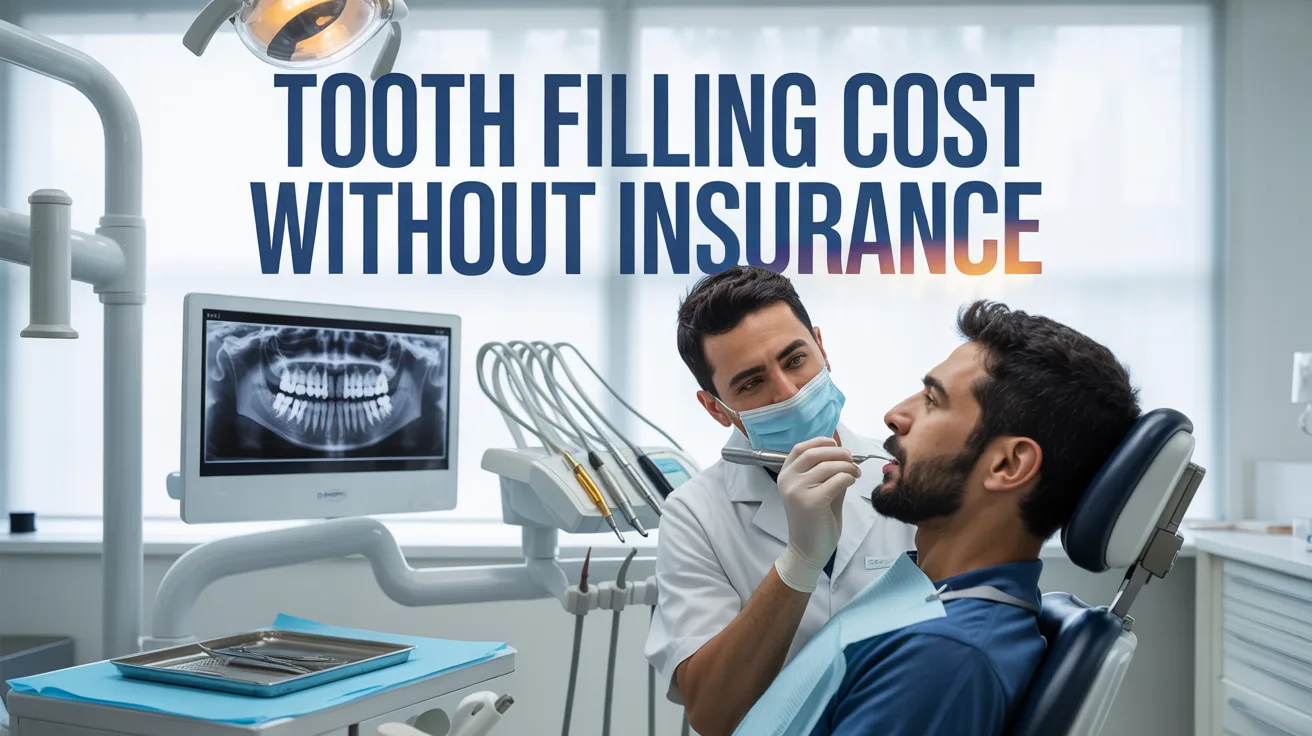
Paying for a filling without coverage often raises questions about pricing, material choices, and urgency. The cost of the tooth filling without insurance depends on the size of the cavity, the tooth, and the material used.
Although self-pay care may appear expensive in the short term, early treatment tends to eliminate more complicated and expensive interventions in the future. Effective communication with your dentist will enable you to know what to do and make reasonable decisions regarding re-forming your tooth.
What Is a Tooth Filling and When Is It Needed?
Tooth cavities and early tooth decay: A filling replaces degenerated spaces. Dentists clean the affected area and insert a permanent substance to block the area.
Fractured or chipped teeth: Minor fractures could also be filled with fillings to give structure and avoid sensitivity.
Replacing the old or damaged fillings: Fillings are worn out or leaking, and this allows bacteria to get into them, which could need replacing.
Why delaying treatment increases long term costWhy delaying treatment increases long term cost
The untreated decay may lead to an infection that may necessitate the root canal or extraction. Intervention at an early stage is much cheaper.
Types of Dental Fillings Available
Composite fillings: Tooth colored and popular in visible areas. They attach directly to enamel and have a natural look.
Amalgam fillings: Silver colored and durable, often placed in molars due to their strength.
Ceramic or porcelain fillings: Very aesthetic, stain-resistant, and usually used on larger restorations.
Gold fillings: Prolonged and powerful, but usually costly.
Temporary and permanent fillings: The temporary materials prevent the tooth until it is attended to in a conclusive manner. Long-term restoration is offered by permanent fillings.
Tooth Filling Cost Without Insurance. Real Price Breakdown
Average Cost Per Filling Without Insurance
The price of the tooth filling without insurance will normally fall between 150 and 400 dollars on a small cavity. Big cascades may vary between $300 and 600. Aesthetic materials are commonly needed for the front teeth, and that will drive up the cost. Molars can be expensive when the case of decay is high. The national averages are different depending on the location and expertise of the provider.
Cost Differences by Filling Material
Composite Filling Cost Without Insurance: Composite fillings can be as expensive as between 200 and 500 dollars, according to their size and location in the tooth.
Amalgam Filling Cost Without Insurance: Amalgam fillings can be as low as 150-350 USD and are also a cost-effective choice for back tooth fillings.
Porcelain/Ceramic Filling Price: Laboratory fabrication can make ceramic restorations cost between $800 and 1500.
Comparison of the cost of gold fillings: Gold fillings can be above $1000 and change according to the material.
What Factors Influence the Final Bill?
Position of teeth influences access and procedure time. Volume and complexity of materials depend on the degree of degradation. Diagnostic services like X-rays or examinations are included in the sum total. The pricing standards of the locals also vary. The emergency visits can have higher prices than the regular visits.
Filling vs. Alternative Treatments - Cost Comparison
When a Filling Is Enough
A minor cavity that is enclosed within enamel and dentin can easily be filled with a simple filling. Children are taken care of at an early age, and save on costs.
When You May Need More Than a Filling
Root Canal Treatment
When infection spreads to the pulp, root canal treatment is required at a cost of about 700-1400 without insurance coverage.
Dental Crown
A crown replenishes the strength once severe damage has occurred, and it can cost between $900 and 1500.
Tooth Extraction
Removal will cost between $150 and 400, but the replacement will raise the costs.
Cost Consequences of Delaying Treatment
A simple filling with a price of a few hundred dollars can develop into a root canal with a price that goes into thousands of dollars. Swelling and emergency care are also at risk of infection.
Affordable Tooth Filling Solutions at EMD
Transparent Tooth Filling Cost Without Insurance at EMD
Eastside Modern Dentistry gives clear pre-treatment pricing discussions. Dentists clarify the choice of materials and anticipated costs to inform patients about what they are choosing.
Dental Filling Without Insurance Options at EMD
Uninsured patients are provided with the help of flexible payment plans. The team is conservative in their practice, which aims at preserving the natural structure of teeth and avoiding extraneous procedures.
Why Patients Trust EMD
Accuracy is enhanced by modern diagnostic technology. Qualified dental specialists develop individual care plans. The adherence to cost transparency encourages good decisions.
Frequently Asked Questions (FAQ)
1. How much does a tooth filling cost without insurance on average?
The majority of fillings cost between 150 and 600 dollars, according to the size and material.
2. What are the most affordable dental fillings without insurance options?
The use of amalgam fillings is cheaper than composite or ceramic fillings.
3. Is a composite filling more expensive than amalgam without insurance?
Yes, composite fillings tend to be more expensive because of the material and placement technique.
4. Can I delay a cavity filling to save money?
Delay has a tendency to raise long-term costs because of the risk of infection or structural damage.
5. Do dental schools offer cheaper fillings?
Yes, treatment in supervised student clinics is usually of lower cost.
6. Why does filling cost vary between clinics?
Pricing is dependent on location, technology, the experience of dentists, and the choice of materials.
7. Are payment plans available for uninsured patients?
Most clinics, such as Eastside Modern Dentistry, offer financing options to support affordable care.
Conclusion
The price of a tooth filling without insurance depends on the size of the cavity, the type of material used, and the complexity of the particular case, but early treatment is always the best decision as far as costs are concerned. Prompt decay treatment can be used to maintain the natural structure of teeth and minimize the chances of infection, root canal treatment, or tooth loss. A good discussion on price and planning in care support will enable a patient to make positive decisions without undergoing any procedures that are not necessary. To patients in need of clear costs and effective dental fillings, without any insurance facilities, Eastside Modern Dentistry offers patient-oriented care with the help of modern diagnostics and evidence-based dental care.
Leave a Reply