
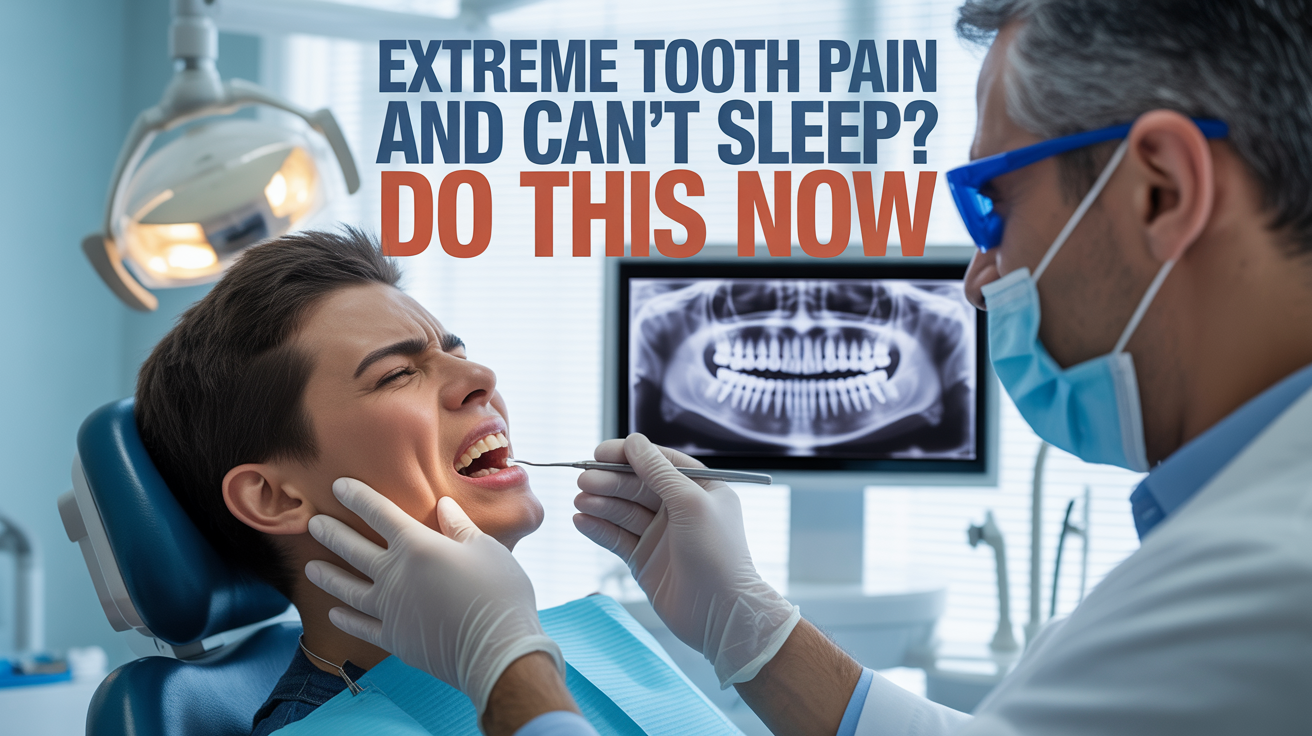
If you are experiencing extreme tooth pain and can’t sleep, you are not alone. A nighttime toothache can feel intense and overwhelming because it strikes at a time when you are most tired. Learn below why it worsens at night, what might be causing it, and what you can do right now before you see a dentist.
Why Does My Tooth Hurt More at Night?
Toothache pain is often more severe at night because your body reacts differently when you lie down. Blood flow increases in the direction of your head, and this usually puts more pressure on a sensitive tooth. The nerves also become more reactive at night, so even minor signals of pain feel stronger. You also lose daytime distractions, so the pain dominates your focus.
Many people grind their teeth in their sleep, irritating the already sore areas. Cold air from a fan or air conditioner can bother sensitive teeth, too. Sugary or acidic foods consumed late in the evening can trigger pain since they irritate the enamel or inflamed nerves.
Night pain is difficult to manage, but the following sections will help you understand its cause so you can take fast action.
What Causes Throbbing Tooth Pain and Severe Toothaches?
Several dental emergencies are responsible for severe pain experienced at night. Some of these conditions require immediate treatment, too.
Common Causes of Throbbing Tooth Pain
- Deep cavities that reach the tooth nerve
- Gum disease or abscess
- Loose or broken fillings
- Cracked or fractured tooth
- Sinus issues that involve the upper teeth
- Pain radiating to the ear, jaw, or head
- Pain made worse by lying flat
- Heat intolerance, which serves as an indicator of infection in its advanced stage
When you have identified the probable cause, you can take safe at-home steps to provide temporary relief until you can see a dentist.
What Causes Toothache Hot and Cold Sensitivity?
Tooth sensitivity to hot and cold temperatures is a common complaint that can make eating and drinking painful. The problem often arises from a number of underlying dental issues. Sensitive teeth typically occur when the tooth enamel wears down, exposing the sensitive inner layers of the tooth. Other causes include receding gums, which expose the tooth root, or cavities that reach deeper into the tooth.
The discomfort from hot or cold sensitivity can be particularly frustrating since it occurs unexpectedly. For instance, consuming something cold like ice cream or hot coffee can trigger sharp pain. This sensitivity often indicates a need for dental care to prevent further damage and provide relief.
How to Stop Tooth Pain Fast at Home
These are steps that may help relieve pain and soothe the area. They do not replace dental care, but perhaps will get you through the night.
Short-Term Ways to Stop Tooth Pain Fast
- Saltwater solution: Gently wash the area first with warm saltwater to clean it and reduce any potential for irritation.
- Cold compress outside the cheek: A cold compress will reduce swelling and dull the pain.
- Sleep with your head propped up: Use a few extra pillows to elevate your head. This can help reduce blood pressure on the tooth.
- Gently brush and floss: Never put too much pressure on the sore area while cleaning out trapped food.
Safe Over-the-Counter Medications for Tooth Pain
- Ibuprofen and Acetaminophen: The combination can offer powerful short-term relief but should be used cautiously and with proper dosage.
- Avoid applying aspirin directly to the gums: It will cause burning and further irritation.
OTC Temporary Relief Products for Sore Toothache
- Wax for sharp dental edges: Useful if a broken tooth is scraping your cheek or tongue.
- Desensitizing toothpaste: Helps bring down the sensitivity of nerves with repeated use.
- Clove-based gels: These work by numbing the area for a small period of time.
When Is a Sore Toothache a Dental Emergency?
Red-Flag Symptoms of Severe Tooth Pain
- Severe swelling of the jaw or face, especially with symptoms of jaw infection
- Difficulty breathing or swallowing
- Fever or chills
- Bad taste or odor from leaking pus
These are classic signs of sepsis from tooth infection and should never be waited out. An abscess left untreated at this stage can escalate into a full systemic emergency very quickly.
When Back Toothache Pain Needs Immediate Care
- Mild discomfort can wait a day or two
- Persistent pain > 24 hours requires attention
- Intense throbbing that keeps you awake, likely an infection that may need urgent care before it spreads toward the brain.
- Swelling along with fever is an emergency
Professional Treatment for Extreme Tooth Pain
How Dentists Treat Extreme Tooth Pain That Keeps You Awake
- Fillings for small to moderate-sized cavities: Treat early decay before it reaches the nerve.
- Root canal therapy: This is used when the nerve is infected or inflamed, and your dentist can explain the root canal treatment cost before treatment.
- Crown for cracked or weak teeth: Covers and protects the damaged tooth.
- Extraction when the tooth cannot be saved: Sometimes, the best option is to remove the tooth.
- Deep cleaning for gum issues: Includes the removal of infection below the gumline, and some patients may also be candidates for laser gum treatment.
Why Choose EMD for Tooth Pain Relief?
EMD (Eastside Modern Dentistry) provides same-day or next-day emergency appointments. They use the most advanced imaging and gentle pain relief methods to keep you comfortable. The team prides itself on effective communication and patient-centered care.
What to Expect During a Visit to EMD?
You will be given a swift examination and X-rays to locate the exact cause. Whenever possible, the dentist will provide immediate relief and explain treatments in thorough detail.
Insurance, Comfort Options, and Accessibility
EMD provides flexible payment options and accepts many different insurance plans. Sedation is available for anxious patients during dental care.
Conclusion
It is best to have regular cleanings as it prevents small issues from becoming bigger problems. Early treatment of minor symptoms will prevent pain from worsening at night.
FAQs
Why does tooth pain get worse at night?
Blood flow increases when you lie down, which makes pain stronger.
Can I Survive Extreme Tooth Pain When I Can’t Sleep?
Most people cannot. You need proper treatment to ease the pain.
What Is the Fastest Way to Stop Tooth Pain?
Ibuprofen, combined with a cold compress and elevation, provides fast temporary relief.
Is a Nighttime Toothache Always a Sign of Infection?
Can Severe Tooth Pain Go Away on Its Own?
It may go away for a while; however, the cause often gets worse without treatment, which is why routine exams can help prevent extreme tooth pain at night.
How Long Can I Wait to See a Dentist for Tooth Pain?
See a dentist as soon as possible if you are kept awake by the pain.
Leave a Reply